BLOG: EDUCATION DURING THE PANDEMIC
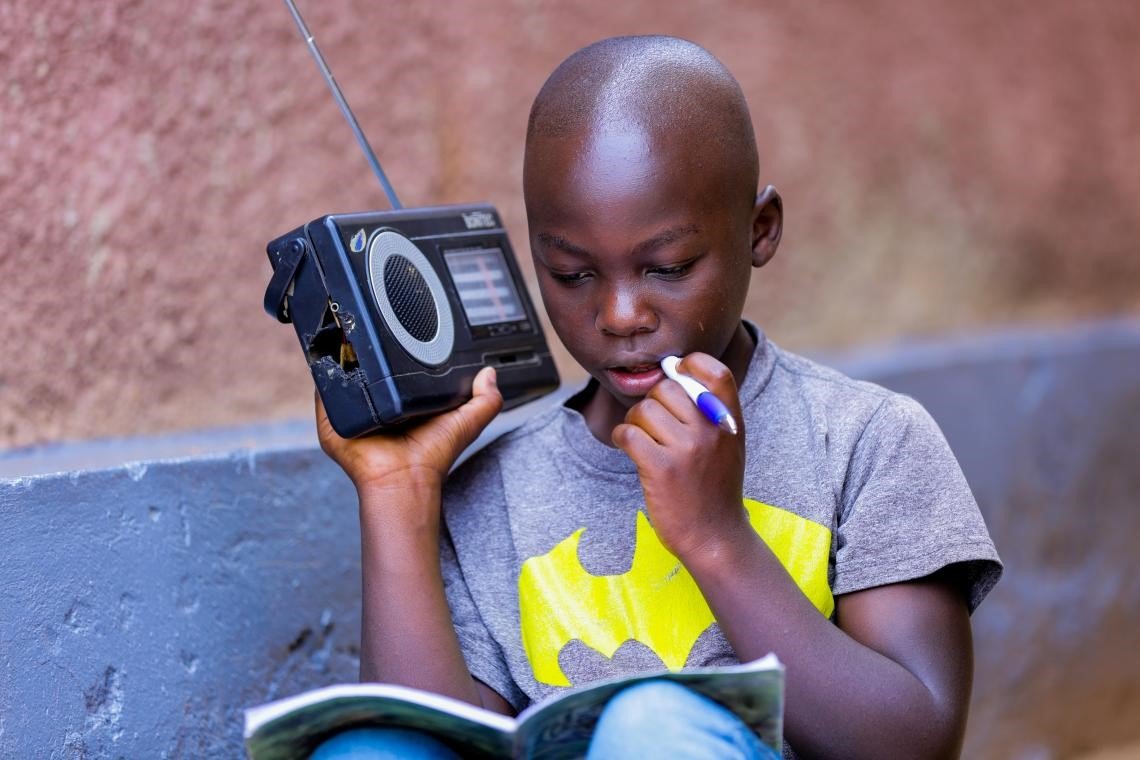
COVID-19: Schools for more than 168 million children globally have been completely closed for almost a full year.
-
 BY: MANAGEMENT
- 12 Apr 2021
- Comments (5,202)
Schools for more than 168 million children globally have been completely closed for almost an entire year due to COVID-19 lockdowns, according to new data. Furthermore, around 214 million children globally – or 1 in 7 – have missed more than three-quarters of their in-person learning. “As we approach the one-year mark of the COVID-19 pandemic, we are again reminded of the catastrophic education emergency worldwide lockdowns have created. With every day that goes by, children unable to access in-person schooling fall further and further behind, with the most marginalized paying the heaviest price,” said SourcePanafrica Foundation Executive Director. “We cannot afford to move into year two of limited or even no in-school learning for these children. No effort should be spared to keep schools open, or prioritise them in reopening plans.”
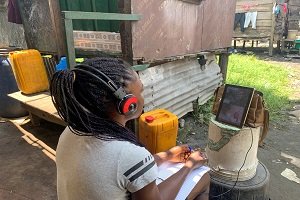
School closures have devastating consequences for children’s learning and wellbeing. The most vulnerable children and those unable to access remote learning are at an increased risk of never returning to the classroom, and even being forced into child marriage or child labor. According to latest data by UNESCO, more than 888 million children worldwide continue to face disruptions to their education due to full and partial school closures.
The majority of schoolchildren worldwide rely on their schools as a place where they can interact with their peers, seek support, access health and immunization services and a nutritious meal. The longer schools remain closed, the longer children are cut off from these critical elements of childhood.
Back To School: The New Experience
-
BY: MANAGEMENT
- 09 Sep 2021
- Comments (1,982)
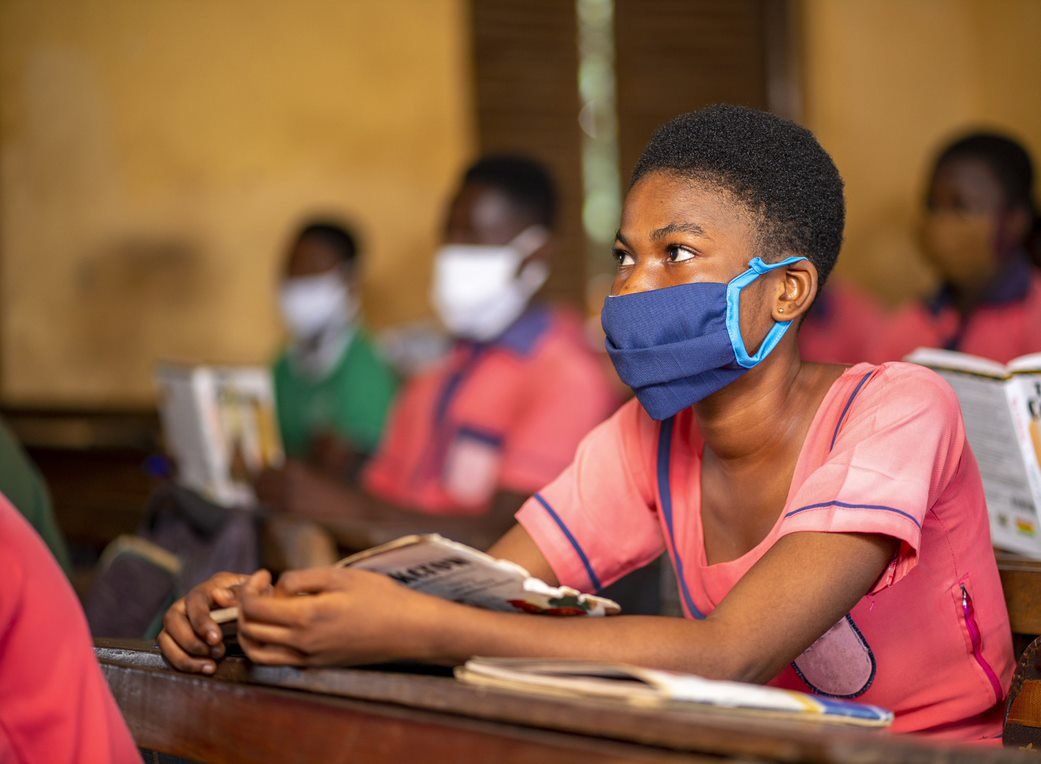
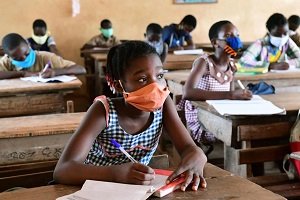
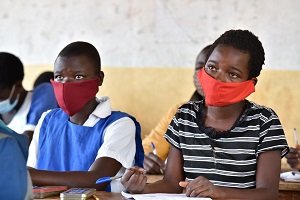
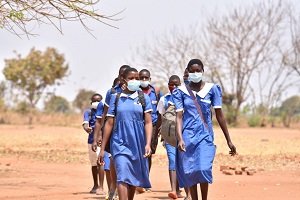
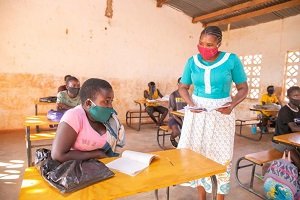
After months of learning from home, students across most part of Africa are back in class and preparing for their exams. For the most of them, they are excited to be back in school and are all equipped with masks.
17-year-old Ronnex Salami bought his mask at a nearby market in their community. “I’ll make sure to always wear my mask, and where possible keep distance with my friends when we’re interacting.”
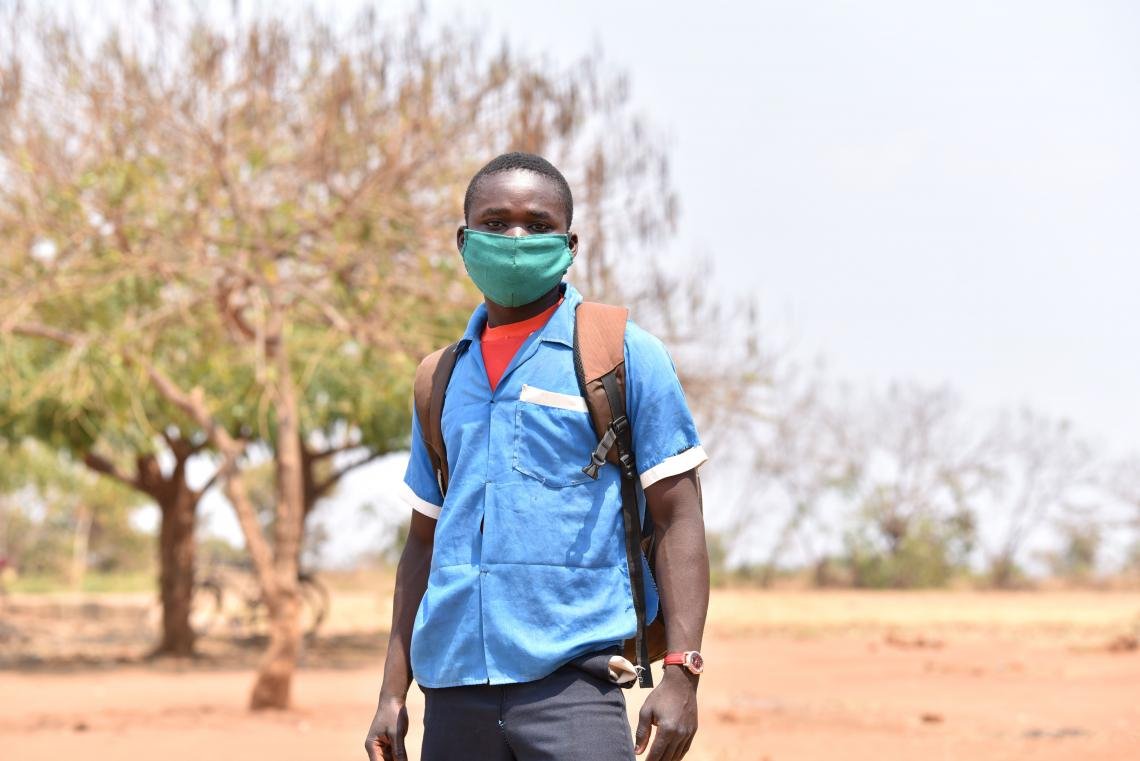
Before re-opening, the school had their own preparedness activities. The headteachers and Primary Education Advisor organized a series of meetings guiding teachers on COVID-19 prevention measures and how to make face masks, as well as how to guide the students on how to wear facemasks. The school was also disinfected a few days ago before standard 8 classes commenced. Additionally, students were told to wash hands when they arrive at school, and regularly during the school day.
Photo Gallery
-----Donors & Partners-----